20 Aug 2026
How French Payment Regulations Shape Jackpot Access in Mobile Live Dealer Platforms
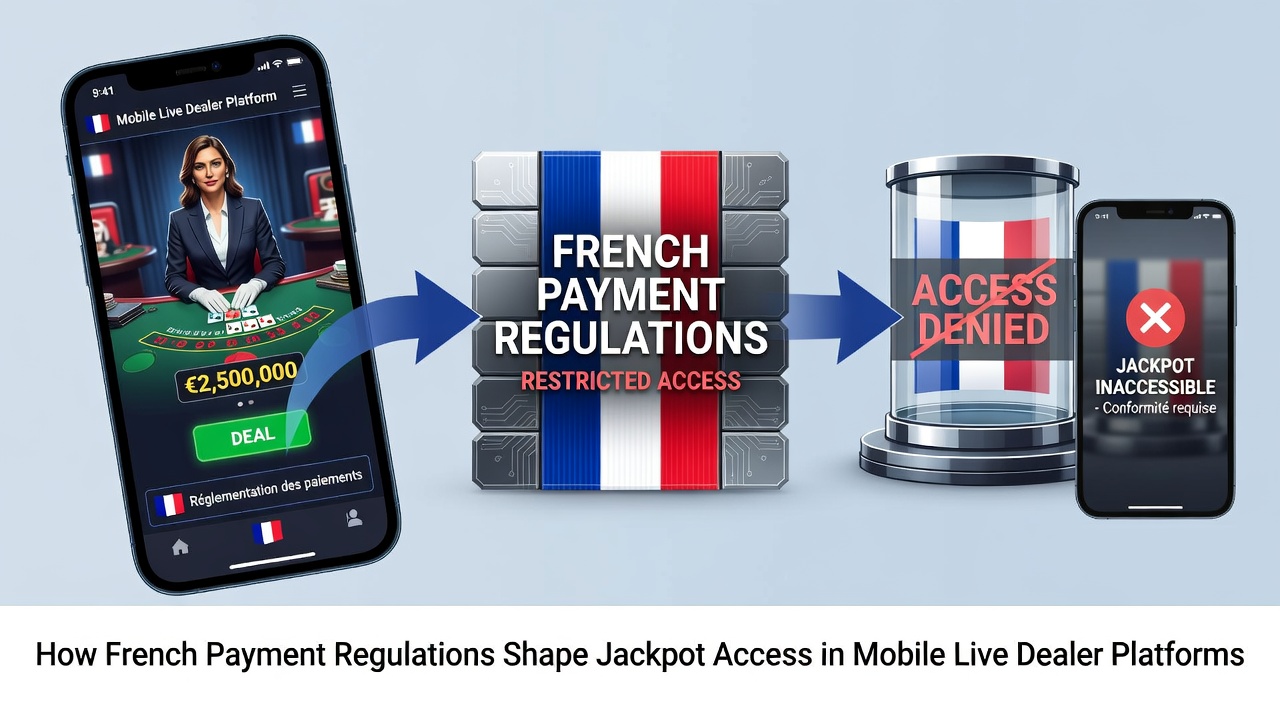
France maintains one of Europe's most structured frameworks for online gambling, and payment regulations sit at the center of how operators handle large jackpot payouts on mobile live dealer platforms. The Autorité Nationale des Jeux oversees licensing, while rules on transaction traceability, approved payment providers, and anti-money laundering checks directly influence when and how players receive jackpot funds. These requirements create a system where access to winnings depends on compliance steps that mobile platforms must integrate into real-time gaming environments.
Core Elements of French Payment Oversight
Operators licensed in France must route all financial transactions through entities authorized by national banking authorities, and this restriction narrows the range of digital wallets and card processors available for jackpot disbursements. Live dealer platforms that stream roulette, blackjack, and poker must embed verification protocols into their mobile applications so that progressive jackpot triggers align with these payment rails. Data from regulatory filings shows that jackpot claims above certain thresholds trigger mandatory identity confirmation and source-of-funds reviews before any transfer occurs, which extends processing times compared with less regulated markets.
Mobile Integration Challenges
Live dealer games rely on continuous connections between player devices and studio servers, yet French rules require every jackpot-winning session to pause for automated compliance checks. Mobile applications therefore incorporate secure modules that flag large wins and route them through approved French financial intermediaries. Observers note that this architecture prevents instant crediting in many cases, because the system must first confirm that the payment method matches the player's verified account details. Research conducted by European gaming technology groups indicates that platforms using only SEPA transfers and regulated e-wallets experience fewer compliance interruptions than those attempting to incorporate international card schemes.
Jackpot Mechanics Under Regulatory Pressure
Progressive jackpots on mobile live dealer tables accumulate across multiple jurisdictions, but French operators isolate their contribution pools to remain within national licensing boundaries. When a player hits a qualifying combination, the payout must travel through channels that satisfy both gambling and financial regulations. This separation means jackpot funds collected in France cannot mix freely with pools managed in other European countries without additional reconciliation steps. Industry reports highlight that mobile platforms often display separate jackpot meters for French-licensed play to avoid cross-border payment complications.
August 2026 marks the scheduled rollout of updated technical standards for real-time transaction monitoring, and operators are already adjusting their mobile live dealer software to accommodate stricter timing requirements for jackpot notifications. These changes will require applications to transmit payout requests to the regulator's monitoring system within seconds of a win, adding another layer of data exchange that affects how quickly players see confirmed balances.
Player Experience and Verification Flows
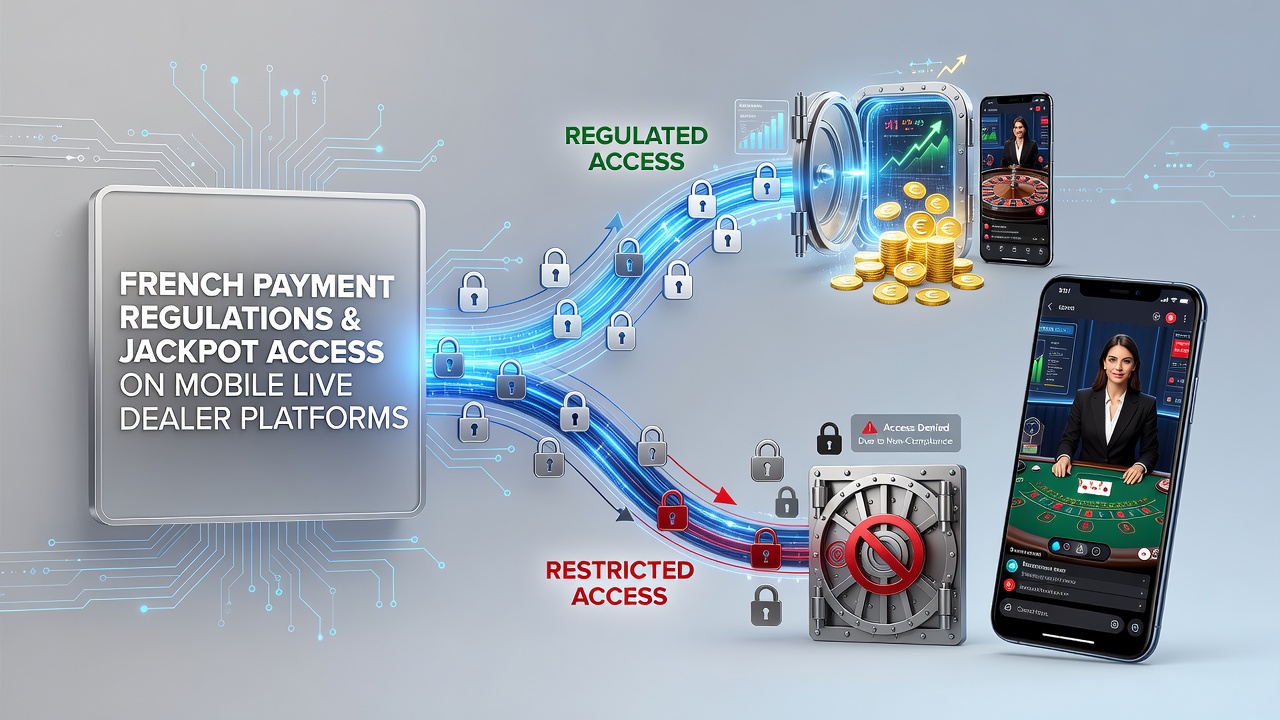
Players accessing live dealer platforms from French IP addresses encounter mandatory account linkage to approved payment instruments before any jackpot participation begins. Once a win registers, the platform initiates a sequence that includes biometric confirmation on mobile devices followed by a hold period while the operator validates the transaction against national registries. Studies from academic research centers in Canada have examined similar verification delays in other regulated markets and found that transparent communication about processing stages reduces player inquiries by measurable margins. French platforms apply comparable transparency measures, displaying estimated release timelines based on the payment method selected during registration.
Comparative Regulatory Approaches
Other jurisdictions offer useful contrasts. Australian state regulators, for instance, permit a broader set of instant payment options for jackpot settlements, whereas French rules prioritize centralized oversight. This difference means mobile operators serving multiple regions maintain separate compliance engines, with the French version emphasizing slower, more documented payout paths. Data compiled by international gaming associations shows that markets with tighter payment controls report lower rates of disputed jackpot claims, because the verification trail remains intact from the moment of the win through final transfer.
Future Adjustments and Platform Adaptations
Software providers continue to refine APIs that connect live dealer engines with French-approved banking partners, and these updates focus on reducing friction without compromising traceability. Some platforms now allow players to pre-authorize certain jackpot payout methods during account setup, which shortens the post-win sequence. Regulatory guidance issued ahead of the 2026 deadline encourages operators to adopt standardized messaging formats so that mobile notifications clearly explain each compliance step to users in real time.
Conclusion
French payment regulations create a controlled environment where jackpot access on mobile live dealer platforms depends on verified transaction paths and documented compliance. The framework ensures that large winnings move through authorized channels while requiring platforms to integrate verification steps directly into mobile gameplay flows. As technical standards evolve toward 2026, operators adjust their systems to maintain both regulatory alignment and functional live dealer experiences. The result is a market where jackpot availability reflects the intersection of financial oversight and real-time gaming technology.